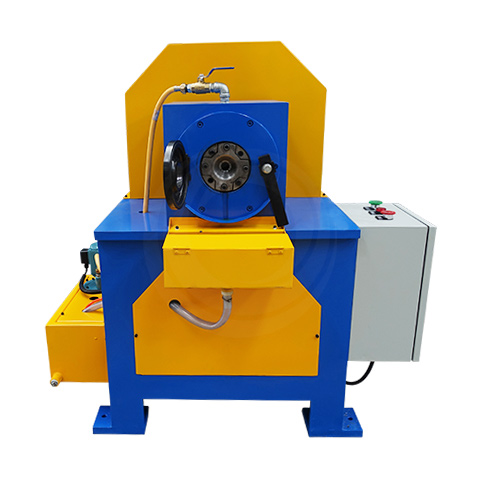
Metal wire straightening and cutting machine
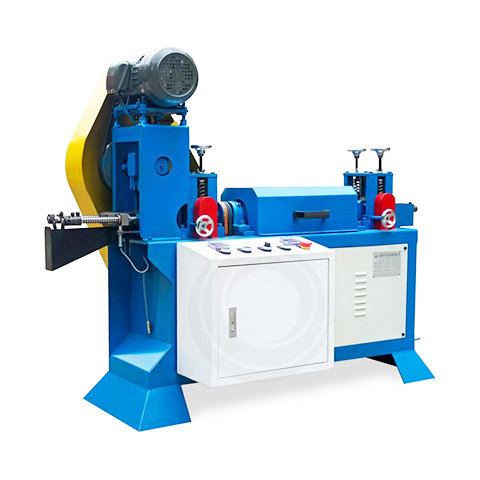
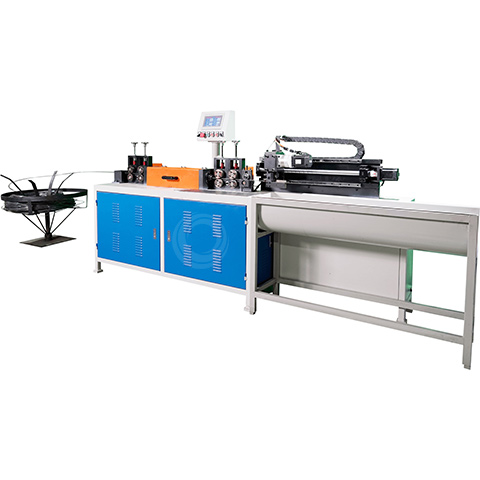
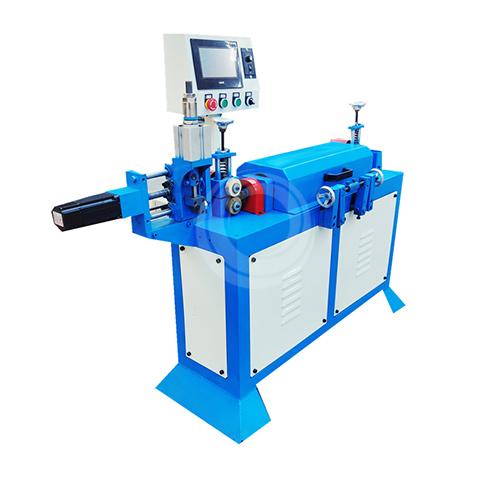
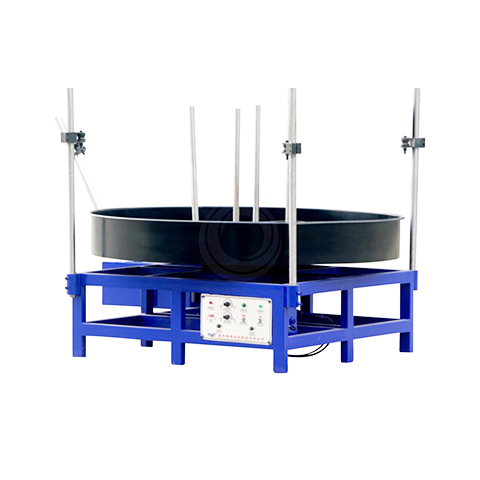
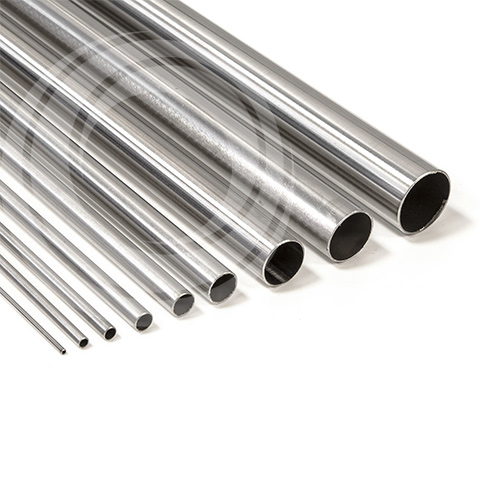
Our company specializes in the design and manufacture of metal wire straightening and cutting equipment, primarily used for straightening and cutting round or flat metal wires , strips, or tubes . Applicable materials include copper, iron, aluminum, titanium, molybdenum, stainless steel, spring steel, galvanized wire, and more .
The products are mainly divided into three series:
- Budget-Friendly Beginner Series
With its stable structure and high cost-effectiveness, it is suitable for customers with low automation requirements and limited budgets, making it an ideal entry-level choice for straightening and cutting metal wires.
It adopts CNC system control, which has high precision and strong stability, and can realize rapid parameter switching and automated production, making it suitable for industry users with high requirements for efficiency and consistency.
- Ultra-fine wire diameter series ( ≤1 mm )
Specifically developed for ultra-fine metal wires, it is available in both economical and high-end CNC configurations, effectively solving industry problems such as the easy bending, deformation, and difficulty in stable straightening of fine wires.
Currently, our equipment can stably straighten wires with a minimum diameter of 0.05 mm , fully meeting the stringent requirements of high-standard and high-precision applications such as medical devices, aerospace, and precision electronics.
In terms of cutting efficiency:
1 flying cutter = 3 tracking cutters = 5 stationary cutters = 10 mechanical cutters
Production and design challenges of metal wire straightening and cutting machines
The design and manufacturing challenges of metal wire straightening and cutting machines mainly lie in the following aspects, involving both mechanical structure and process control, which place high demands on equipment design and operation:
- Straightening precision control is difficult
This is the core difficulty.
Different wire materials (carbon steel, stainless steel, spring steel, galvanized wire, etc.) have completely different elasticity, hardness, and resilience.
For the same wire, a slight change in diameter will result in a change in springback.
To pass Multiple straightening rollers + appropriate angle + pressure adjustment Only then can it be truly straightened
The difficulty lies in:
It needs to be straightened, but it must not be flattened, scratched, or have internal stress.
- Difficulty in achieving universality across multiple specifications
Customers often want " one machine to be able to process multiple wire diameters " :
The stress on Ø0.5mm and Ø5mm wires is completely different.
Each wire diameter requires Different wheel track, clamping force, straightening path
Some equipment A new set of straightening rollers needs to be replaced for each wire diameter.
difficulty:
exist Precision, efficiency, and changeover speed Achieving a balance between
- High material hardness, rapid wear
Especially:
Spring steel
Stainless steel
High carbon steel
The issues include:
The straightening rollers wear out quickly.
Bearings and spindles are subjected to high forces
High requirements for service life and stability
The difficulty lies in:
Material selection (alloy steel, hardening treatment) and structural strength design
- Cutting accuracy and synchronous control are difficult
Straightening machines typically integrate a fixed-length cutting function:
The feeding speed should be stable.
The encoder / servo and the cutter must be highly synchronized.
Length errors are easily amplified during high-speed operation.
difficulty:
High speed + high precision + stability
- Surface protection is difficult
Many applications have high surface finish requirements (e.g., pet cages, appliance net covers, display racks):
No indentations allowed
The zinc coating must not be removed.
Do not pull the fur
difficulty:
The material, surface treatment, and wheel design of the straightening wheel must be very reasonable. Generally, tungsten steel molds are used for metal wires used in construction, while ductile iron molds are used for other products. The straightened wire will not damage the surface .
- Debugging Dependency Experience
Even if it's the same machine:
Different batches of materials
wires from different suppliers
Different carbon content and annealing state
All require fine-tuning based on human experience.
This is why low-end machines " can run , " while high-end machines " run stably, smoothly, and for a long time . "
In general, the challenge of metal wire straightening machines lies not in " whether they can straighten wires , " but in achieving long-term, stable, and high-precision straightening of different materials and wire diameters, while ensuring surface quality and equipment lifespan.
Application areas of metal wire straightening machines
Construction and building materials industry
Steel wire and binding wire for construction
Straighten and cut the reinforcing bars
Straight steel wire for wire mesh and sieve
Function: Improves construction efficiency and ensures consistent length.
Hardware products industry
wire hook
Metal bracket
Spring pre-process
Hardware frame
Function: Mass production of standard straight wires
Home appliance industry
Refrigerator shelves
Washing machine and air conditioner protective nets
Fan guard
Function: To ensure the straightness of the wire and facilitate welding.
Pet supplies / daily necessities industry
Pet cages, bird cages, chicken coops
Wire basket
Shelf
Function: Improves appearance consistency and welding precision
Automotive / Bicycle Industry
bicycle spokes
Car seat wire
Reinforced steel wire components
Function: To meet the requirements of high straightness and high precision.
Industrial manufacturing / special industries
Stainless steel wire
copper wire, aluminum wire
Titanium wire, molybdenum wire
Spring steel, galvanized wire
Function: To prepare for subsequent processing (bending, welding, forming).


 Photos
 Customers who bought this product also bought