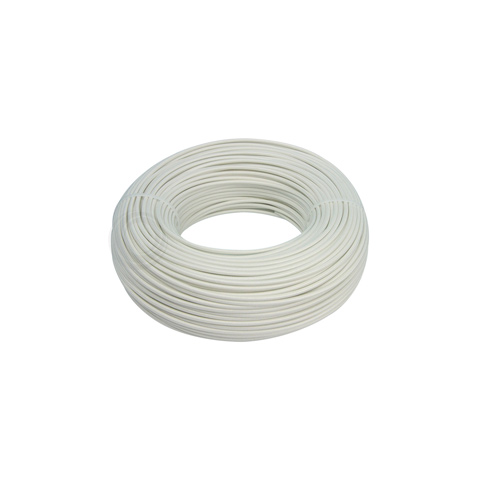
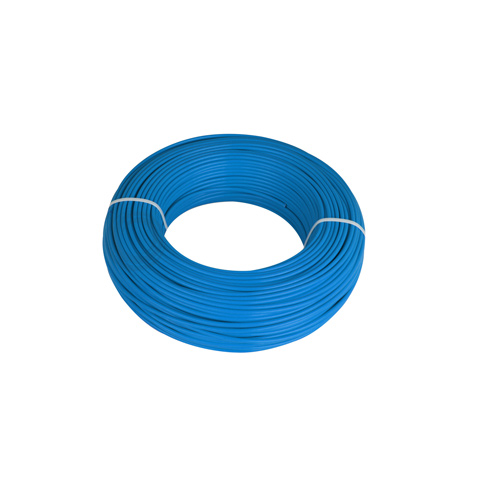
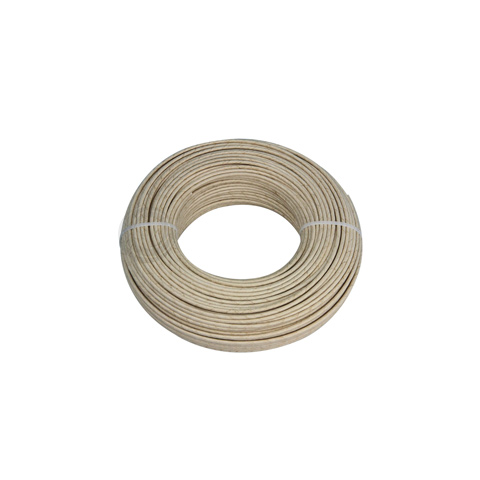
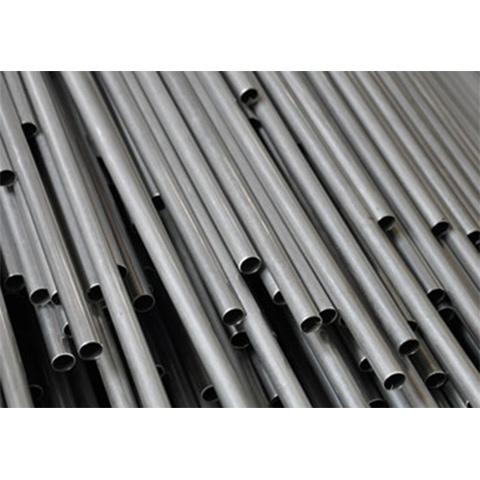
High Temperature Cables, is a high temperature resistant cable made of special materials, using high temperature and high strength type, processed by special technology. The main features are high temperature resistance, insulation, fire retardant, corrosion resistance, aging resistance, weather resistance, high strength, high modulus, anti-static, smooth appearance and so on. High temperature cables are suitable for applications where the temperature exceeds 150 degrees Celsius during normal use. Applications for high temperature hotlines include internal wiring in furnaces, cookware and industrial heating applications. Common insulating and sheathing materials used for high-temperature leads include silicone, perfluoroalkoxy (PFA), polytetrafluoroethylene (PTFE), Mica, and glass fibers.
Application
In the electronics industry, it can be used for temperature compensation cable, low temperature resistance cable, high temperature Heating Cable, aging resistance cable and flame retardant cable; In the household appliance industry, it can be used for the internal wiring of air conditioners, microwave ovens, electronic disinfection cabinets, rice cookers, electronic hot water bottles, electric Heaters, electric ovens, electric wok, lamps and lighting.
Conductor Material for High Temperature Cables
Pure copper is more prone to corrosion at high temperatures, so the following heat-resistant conductor materials are used for high temperature lines:
Tinned copper: suitable for medium high temperature up to 180ºC
Nickel-plated copper: suitable for high temperatures up to 450ºC
Nickel wire: can withstand high temperatures above 450ºC
Selection of high temperature lead of single head electric heating tube
Conventional high temperature cable: it is our most common lead, which can withstand the temperature of 100-400℃.
Mica high temperature cable: used for air dry burning on the single head electric heating tube, the lead will also be exposed to high temperature, it can withstand the temperature is 500-600℃.
Mica glass fiber pure nickel cable: It is also a very high temperature resistant lead, the temperature is used at 700 ° C.
Ceramic Bead lead: When the temperature is relatively high, it can withstand 700-800℃.
Metal hose leads: Often used in situations where leads cause friction.
Ptfe line: It is generally used when heating corrosive liquids and has certain corrosion resistance.
The Difference between High Temperature Cable and Ordinary Cable
Different materials. As the name suggests, the main material of the high temperature cable is a high temperature resistant material, so that it can be used in a high temperature environment without affecting its main effect. High temperature cable is generally divided into fluorine plastic insulated high temperature cable, Silicone Rubber insulated high temperature cable, silicone rubber insulated braided cable, multi-core high temperature cable, and ordinary cables may be made of common materials such as aluminum cable or copper cable.
Insulation performance. Different from ordinary cables, high-temperature resistant’s high-temperature cables have strong insulation performance, so that in some factories or laboratories with relatively high requirements, high-temperature cables can avoid short-circuit or circuit effects to achieve better results.
Aging resistance. A particularly big advantage of high temperature cable is aging resistance, durability, such a high temperature cable can be used for a long time, can help us solve a lot of costs, but ordinary cables have a fixed service life, in the use of a certain time after the need for timely replacement, then the replacement frequency is relatively high, affecting efficiency, but also increase costs.
Flame retardant. Because the material of high temperature cables is made of special materials, so its flame retardant is particularly good, in the occurrence of short circuit or high temperature fire will not suddenly affect other circuits in series to increase the risk, but effectively flame retardant, higher safety performance.


 Photos
 Customers who bought this product also bought